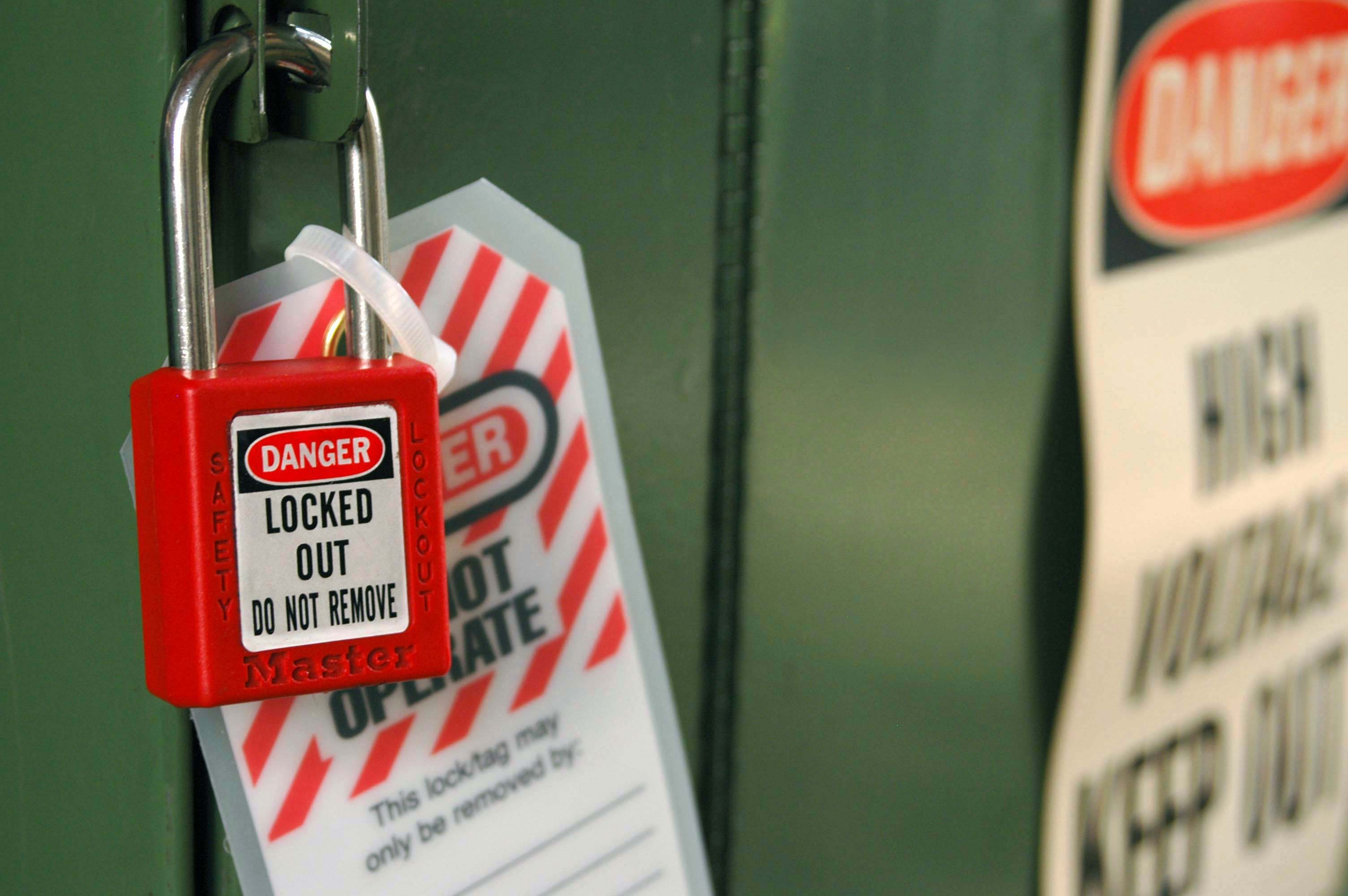
Machines don’t warn you when they’re ready to kill. One second, the line is down for maintenance. The next, someone unknowingly re-energizes a conveyor, and a technician’s hand is gone. These aren’t rare tragedies—they’re preventable failures of process. At the core of any effective energy control program isn’t just a lock or a tag, but the signage that supports them: lock out tag out signage.
It’s not just about compliance. OSHA receives reports of nearly 120 fatalities annually tied to improper machine servicing—most involving failure in lockout/tagout (LOTO) procedures. And in nearly every case, missing, unclear, or ignored signage played a role. This article cuts through the noise to show you exactly how LOTO signage works, where it fails, and how to deploy it so it actually stops accidents—not just checks a box.
Why LOTO Signage Isn’t Optional—It’s a Force Multiplier
Lockout/tagout is a procedure, not a single action. It includes identifying energy sources, isolating them, locking them out, tagging them, verifying zero energy, and safely restoring systems. Signage operates at multiple points in that chain—not just on locks, but throughout the work environment.
Think of signage as the “broadcast system” of LOTO. A lock only stops a switch from being turned. A sign explains why, who, and what’s at risk if someone ignores it. Without signage, LOTO becomes invisible. And invisible safety is no safety at all.
The Human Factor: Why Signs Matter More Than You Think People bypass locks for reasons that seem rational in the moment: - “I just need to test the motor quickly.” - “I didn’t see the tag.” - “The machine looked safe.”
Signage counters these rationalizations by providing immediate context. A clear, high-visibility sign saying "DO NOT OPERATE – PERSONAL ENERGY ISOLATION IN EFFECT. AUTHORIZED PERSONNEL ONLY." disrupts complacency. It forces a cognitive pause.
Studies in behavioral safety show that visual cues increase procedural adherence by up to 40%. In high-risk environments, that’s the difference between a near-miss and a fatality.
Types of Lock Out Tag Out Signage and Where They Belong
Not all signs serve the same purpose. Effective LOTO programs use layered signage—each with a distinct role.
1. Warning Signs at Energy Isolation Points
These are the most visible: placed directly on lockout devices, isolation valves, circuit breakers, or control panels. They identify the hazard and the person responsible.
Example: - “LOCKED OUT BY: J. SMITH – MECHANIC” - “ENERGY SOURCE: HYDRAULIC PRESSURE – 2500 PSI” - “DO NOT ENERGIZE – WORK IN PROGRESS”
These signs should be durable, weather-resistant, and tamper-evident. Vinyl or laminated polyester is standard.

2. Area-Wide Caution Signs Used to mark zones where LOTO is active. These are often larger, posted at entrances or on machine perimeters.
Real-World Use Case: A maintenance team services a robotic welding cell. Before starting, they install a 24” x 18” sign on all access points: > WARNING: LOCKOUT IN PROGRESS > AUTHORIZED ENTRY ONLY – RISK OF CRUSH INJURY
This stops non-essential personnel from entering without a safety briefing.
3. Instructional Signs for LOTO Stations
These are found near lockout stations—central locations where locks, tags, and tools are stored. They outline procedure steps.
Content should include: - Step-by-step shutdown sequence - List of energy types (electrical, pneumatic, chemical, etc.) - Emergency re-energization process - Contact for supervisor approval
These signs reduce confusion during shift changes and emergencies.
4. Audit and Compliance Signs Used during inspections. These indicate that a machine has been verified as de-energized and is safe for service.
Example: > LOTO VERIFIED – ZERO ENERGY CONFIRMED > Inspector: R. LOPEZ – 10:15 AM – 03/14
These create an auditable trail and reinforce accountability.
Common Signage Failures That Undermine LOTO
Even companies with robust LOTO programs fail at signage execution. Here are the top mistakes:
❌ Generic, Non-Specific Messages “Danger: Do Not Start” isn’t enough. It doesn’t say why, who, or what energy source is involved. Specificity saves lives.
❌ Poor Placement A tag hanging from a lock on the back of a panel isn’t seen. Signs must be in line of sight—ideally at eye level when approaching the machine.
❌ Faded, Damaged, or Illegible Signs In a foundry, moisture and heat degrade paper tags in hours. Use weather-resistant materials with UV protection.
❌ Multilingual Gaps In a plant with Spanish-, Vietnamese-, and English-speaking workers, a sign in English only is a liability.
Solution: Use universal symbols (like the ISO “prohibition” circle) and multilingual text. OSHA allows symbols as long as they’re supplemented with words.
❌ Overuse Leading to Sign Blindness If every machine has a “Do Not Operate” sign—even when not under maintenance—workers start ignoring them.
Fix: Use dynamic signage. Only post LOTO signs during active work. Remove immediately after re-energization.
Best Practices for Effective LOTO Signage Deployment
1. Standardize Across Your Facility Create a single signage protocol. Use consistent colors, fonts, and message formats. OSHA recommends: - Red for danger (immediate hazard) - Yellow for caution (potential hazard) - Orange for warning (moderate risk)
2. Use High-Contrast Text Black on yellow or white on red maximizes readability. Avoid pastels or low-contrast combinations.
3. Include the 5 Ws Every tag or sign should answer:
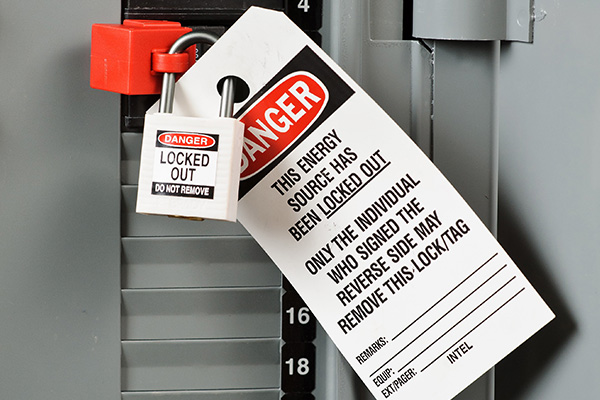
- Who locked it out?
- Why is it locked?
- What energy source is controlled?
- When was it locked?
- Where is the work happening?
4. Train on Sign Interpretation Don’t assume people understand signs. Include signage literacy in onboarding and refresher training.
Workshop Tip: Run drills where employees must interpret mock LOTO signs and explain next steps. This surfaces confusion before an incident.
5. Audit and Replace Quarterly Set a schedule to inspect all LOTO signage. Replace damaged, missing, or outdated signs immediately.
Where Digital Signage Fits Into Modern LOTO
Traditional signs work—but digital solutions are emerging for complex environments.
Electronic LOTO Systems
with Digital Signage
These integrate with control systems to display real-time status on HMI screens or wall-mounted digital panels.
Example: A pharmaceutical plant uses a central LOTO kiosk. When a technician logs a lockout, digital signs at all machine entrances switch to: > 🔴 LOCKED OUT – SERVICE IN PROGRESS > Technician: A. CHEN | Equipment: Reactor V-7 | ETA: 2:30 PM
Benefits: - Real-time updates - Remote monitoring - Integration with access control
Limitation: Requires power and network stability. Always back up with physical tags.
Choosing the Right LOTO Signage: A Practical Guide
Selecting signage isn’t about aesthetics—it’s about durability, clarity, and compliance.
| Feature | Recommended | Why |
|---|---|---|
| Material | Polyester, vinyl, or aluminum | Resists chemicals, UV, moisture |
| Size | 4”x6” minimum for tags; 10”x7”+ for area signs | Ensures visibility |
| Text | Bold, sans-serif font (e.g., Helvetica) | Improves legibility |
| Language | Match workforce languages | Prevents miscommunication |
| Attachment | Non-removable ties or magnetic bases | Prevents loss or tampering |
Pro Tip: Use glow-in-the-dark or reflective signage in low-light areas like boiler rooms or night shifts.
Real-World Example: How Signage Prevented a Fatality
A paper mill in Wisconsin avoided disaster when a maintenance crew locked out a pulper machine. A large “LOCKOUT IN PROGRESS – DO NOT OPERATE” sign was posted at the control panel and at both access doors.
Later, an operator tried to restart the line, assuming it was ready. He saw the sign, paused, called the supervisor, and discovered two technicians were still inside the drum. The restart was delayed. No one was hurt.
The investigation concluded: “The signage was the only thing that prevented a catastrophic entanglement incident.”
Closing: Make Signage Part of Your Safety Reflex
Lock out tag out signage isn’t paperwork. It’s a frontline defense. The best LOTO program in the world fails if the message doesn’t reach the right person at the right time.
- Start today:
- Audit your current signage—replace anything vague or damaged.
- Standardize tags and signs across departments.
- Train every employee—not just maintenance—to recognize and respect LOTO signage.
- Treat signage as mission-critical, not administrative.
Because when a machine roars to life unexpectedly, it won’t be a policy manual that stops it. It’ll be a sign—clear, bold, and impossible to ignore.
Frequently Asked Questions
What is the purpose of lock out tag out signage? LOTO signage communicates that equipment is isolated for maintenance, identifies the responsible person, and warns others not to operate or re-energize the system.
Where should LOTO signs be placed? Directly on energy isolation points (like breakers or valves), at machine entrances, and in line of sight of anyone approaching the equipment.
Can LOTO tags be handwritten? Yes, if they’re legible, durable, and include required information (name, date, reason). However, pre-printed or digital tags reduce errors.
Are symbols enough on LOTO signs? No. OSHA requires words to accompany symbols so the message is unambiguous across language barriers.
How often should LOTO signage be replaced? Inspect quarterly. Replace immediately if faded, damaged, or illegible. High-abuse areas may need monthly checks.
Do temporary repairs require LOTO signage? Yes. Any time a worker bypasses safety guards or services energized parts, full LOTO—including signage—is required.
Can digital signs replace physical LOTO tags? No. OSHA requires a physical lock and tag. Digital signs can supplement but not replace them.
FAQ
What should you look for in Lock Out Tag Out Signage: The Silent Guardian of Workplace Safety? Focus on relevance, practical value, and how well the solution matches real user intent.
Is Lock Out Tag Out Signage: The Silent Guardian of Workplace Safety suitable for beginners? That depends on the workflow, but a clear step-by-step approach usually makes it easier to start.
How do you compare options around Lock Out Tag Out Signage: The Silent Guardian of Workplace Safety? Compare features, trust signals, limitations, pricing, and ease of implementation.
What mistakes should you avoid? Avoid generic choices, weak validation, and decisions based only on marketing claims.
What is the next best step? Shortlist the most relevant options, validate them quickly, and refine from real-world results.