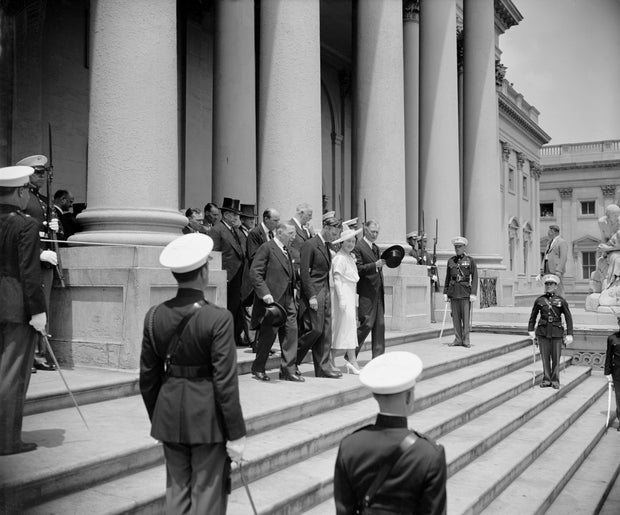
Photographs don’t just capture moments—they preserve the weight of history, the nuance of diplomacy, and the quiet symbolism of monarchy meeting democracy. Now, as King Charles III embarks on a state visit to the United States, the public’s gaze turns once again to the visual archive of royal engagements across American soil. These aren’t just snapshots of crowns and handshakes; they’re documents of evolving transatlantic ties, cultural fascination, and the carefully choreographed dance between tradition and modernity.
The upcoming visit by King Charles III reignites interest in how the British royal family has historically navigated American politics, public opinion, and media scrutiny through carefully staged appearances and symbolic gestures—each one immortalized in photographs that continue to circulate today.
The Power of Royal Imagery in US-UK Relations
Royal visits to the United States are never just tourism. They’re strategic exercises in soft power, where every photo op is scrutinized for tone, messaging, and diplomatic subtext. Cameras follow not only the monarch but their entourage, wardrobe choices, body language, and even their reactions to American culture.
Historically, these images have served multiple functions: - Reaffirming the special relationship between the UK and US - Humanizing the royal family for a skeptical republic - Boosting British cultural influence abroad - Providing media-rich content during periods of political tension
The photograph of Queen Elizabeth II laughing with President Ronald Reagan at a 1982 White House dinner, for example, wasn’t just charming—it signaled unwavering alliance during the Cold War. Similarly, Prince William playing basketball with youth in Harlem in 2014 projected modernity and accessibility.
When King Charles III steps onto American soil, every image from his arrival to departure will be parsed for meaning: his demeanor with President Biden, interactions with veterans, visits to climate initiatives, and moments with everyday Americans. These photos will shape public perception—not just of the King, but of the monarchy’s relevance in the 21st century.
Queen Elizabeth II: Defining the Royal Template
No royal figure shaped the visual narrative of British visits to the US quite like Queen Elizabeth II. Over seven decades, she made six official state visits, each meticulously documented and widely disseminated.
Her first in 1957—just five years into her reign—set the tone. Arriving at the Washington National Airport in a pale blue coat and matching hat, she was greeted by President Dwight D. Eisenhower. The image of the young queen smiling beside the war hero turned statesman became iconic, symbolizing post-war unity and a new era of Anglo-American cooperation.
Key photographic moments from her visits include: - Riding in a motorcade through Manhattan with Jackie Kennedy in 1957 - Toasting President Reagan with champagne at a 1982 state dinner - Walking hand-in-hand with Bill Clinton through the White House Rose Garden in 1991 - Standing side-by-side with Barack Obama on the South Lawn in 2007, both smiling broadly
What made Elizabeth’s imagery so effective was consistency. Her posture, expression, and wardrobe rarely wavered—offering a sense of stability amid changing US administrations and global upheaval. The photos became a visual anchor: the same queen, different era, same unshakable presence.
Prince Charles and Camilla: From Controversy to Continuity Before becoming king, Charles visited the US numerous times—first as the Prince of Wales, later with Camilla, Duchess of Cornwall. His early trips in the 1970s and ’80s were marked by enthusiasm but also scrutiny, particularly around his relationship with Camilla, which complicated public perception.
:max_bytes(150000):strip_icc():focal(728x275:730x277)/princess-catherine-prince-william-donald-trump-king-charles-iii-trump-state-visit-uk-windsor-091725-8672599a27214b6f8ffdbb07fd7596e4.jpg)
Photos from the 1995 trip—his first with Camilla—showed a more reserved figure, often in the background during official events. The media focused less on diplomacy and more on speculation, with headlines questioning whether America would accept the future king and his controversial partner.
But over time, the narrative shifted. By the 2010s, images of Charles inspecting veterans’ memorials, speaking on climate change at the World Economic Forum in New York, or touring urban sustainability projects began to dominate. One telling photo from 2018 shows him crouched beside a community garden in Brooklyn, listening intently to a local organizer. It was a departure from regal detachment—a calculated move toward relatability.
These images paved the way for his current role. As King, Charles inherits not just a throne, but a photographic legacy he spent decades shaping.
Prince William and Catherine: The Modern Royal Image
If Charles represented transition, William and Catherine represent reinvention. Their visits to the US—especially in 2011, 2014, and 2022—were defined by accessibility, informality, and a deliberate break from royal stiffness.
The 2014 tour was particularly image-rich. Photos of William playing basketball with Harlem youth, Catherine laughing with schoolchildren in Los Angeles, and both attending a naturalization ceremony at the Statue of Liberty framed them as approachable, socially engaged royals.
Their 2022 visit, centered on the Earthshot Prize launch in Boston, leaned heavily into environmental messaging. One widely shared image shows William and Catherine embracing frontline climate activists after a panel discussion—William in a smart blazer, Catherine in a floral dress, both visibly passionate.
These moments contrast sharply with earlier royal visits. Where Elizabeth stood formally beside presidents, William shakes hands with firefighters. Where Charles inspected monuments, Catherine kneels to speak to children at eye level. The evolution is visible not in speeches, but in photographs.
King Charles III’s State Visit: What the Images Will Say
As King Charles III prepares for his state visit, expectations are high—and so is the scrutiny. The photographs taken during this trip will carry extra weight: this is his first major US engagement as monarch, occurring at a time when the royal family faces questions about relevance, diversity, and institutional trust.
Early signals suggest a focus on climate action, veteran support, and cultural exchange. Expect images of: - Charles addressing joint sessions or roundtables on sustainability - Camilla engaging with literacy programs or women’s advocacy groups - Joint appearances with President Biden that emphasize shared values - Informal moments—perhaps a walk through a national park or a dinner with young innovators
But the most telling photos may be unplanned: a pause during a speech, a reaction to a veteran’s story, a quiet exchange with a child. In the age of social media, these micro-moments often go viral, shaping public sentiment faster than any official statement.
One risk? Missteps in tone. A photo of excessive formality or disconnection could feed narratives of elitism. Conversely, too much informality might undermine the gravitas expected of a monarch. The challenge is balance—and photographers will capture every attempt.
How Royal Photos Shape Public Memory
It’s not enough for a royal visit to happen. It must be seen.
The British monarchy understands this better than most institutions. That’s why every state visit includes a photo call script: arrival shots, gift exchanges, toasts, public walks, school visits. Each is designed to produce at least one enduring image.

Consider the 1983 photo of Prince Charles and Princess Diana dancing at the White House. It wasn’t just romantic—it became a global symbol of young royal glamour during the Reagan era. Decades later, it still defines how many remember their early marriage.
Similarly, the image of Queen Elizabeth waving from an open-top car during her 1976 Bicentennial visit is forever tied to America’s self-image as a nation celebrating its roots—while welcoming its former sovereign.
These photos endure because they merge personal charisma with historical context. They’re not just of the royals—they’re about the moment.
The Role of Media and Public Access
American media coverage of royal visits has evolved dramatically. In the 1950s, photos were gatekept by wire services and newspapers. Today, they spread instantly via social media, citizen journalists, and live streams.
This shift has forced the royal family to adapt. Where once they controlled the narrative through official photo releases, they now compete with viral TikToks and unfiltered Instagram posts. A single misstep—like an offhand comment caught on mic or an awkward gesture—can dominate headlines.
Yet this openness also creates opportunities. Photos of King Charles III engaging in genuine conversation, showing empathy, or supporting grassroots causes can humanize him in ways formal portraits never could.
The key is authenticity. The public no longer wants perfectly staged perfection—they want moments that feel real. And the most powerful royal images have always been the ones that captured something unscripted: a laugh, a tear, a hand on a shoulder.
What Comes Next: The Future of Royal Diplomacy
King Charles III’s visit isn’t just a moment—it’s a marker. It signals how the monarchy intends to position itself in a world that is less deferential, more diverse, and increasingly skeptical of inherited power.
The photos from this trip will be compared to those of his mother, his son, and past monarchs. They’ll be analyzed for symbolism, tone, and intent. And they’ll contribute to a larger conversation about whether the royal family still holds a meaningful place on the global stage.
But beyond politics and perception, these images remind us of something deeper: the enduring human fascination with ceremony, continuity, and connection. Whether it’s a queen waving from a balcony or a king crouching to speak with a child, the most powerful royal photos transcend borders.
They don’t just show history—they help shape it.
Frequently Asked Questions
What was Queen Elizabeth II’s first state visit to the US? Her first official state visit was in 1957, where she met President Dwight D. Eisenhower and toured Washington, D.C., New York, and Williamsburg.
Has King Charles III visited the US before as monarch? No, his upcoming state visit marks his first official trip to the US as king, though he visited numerous times as Prince of Wales.
Why are royal visits to the US important? They strengthen diplomatic ties, promote cultural exchange, and reinforce the special relationship between the UK and US through symbolic and media-rich engagements.
How do royal photos influence public opinion? Well-composed or emotionally resonant images humanize the monarchy, shape media narratives, and can shift public perception during times of scrutiny.
Who usually accompanies the British monarch on US visits? Typically the monarch is accompanied by their spouse—Camilla, Queen Consort, in Charles III’s case—and occasionally other senior royals depending on the visit’s purpose.
What cities do royal visits usually include? Common destinations include Washington, D.C., New York City, Los Angeles, and Boston, often chosen for political, cultural, or symbolic significance.
How are royal visit photos selected and released? Official photographers capture thousands of images, which are then curated by royal communications teams and released through press agencies and social media.
FAQ
What should you look for in Royal Visits to the US: A Photographic Legacy? Focus on relevance, practical value, and how well the solution matches real user intent.
Is Royal Visits to the US: A Photographic Legacy suitable for beginners? That depends on the workflow, but a clear step-by-step approach usually makes it easier to start.
How do you compare options around Royal Visits to the US: A Photographic Legacy? Compare features, trust signals, limitations, pricing, and ease of implementation.
What mistakes should you avoid? Avoid generic choices, weak validation, and decisions based only on marketing claims.
What is the next best step? Shortlist the most relevant options, validate them quickly, and refine from real-world results.