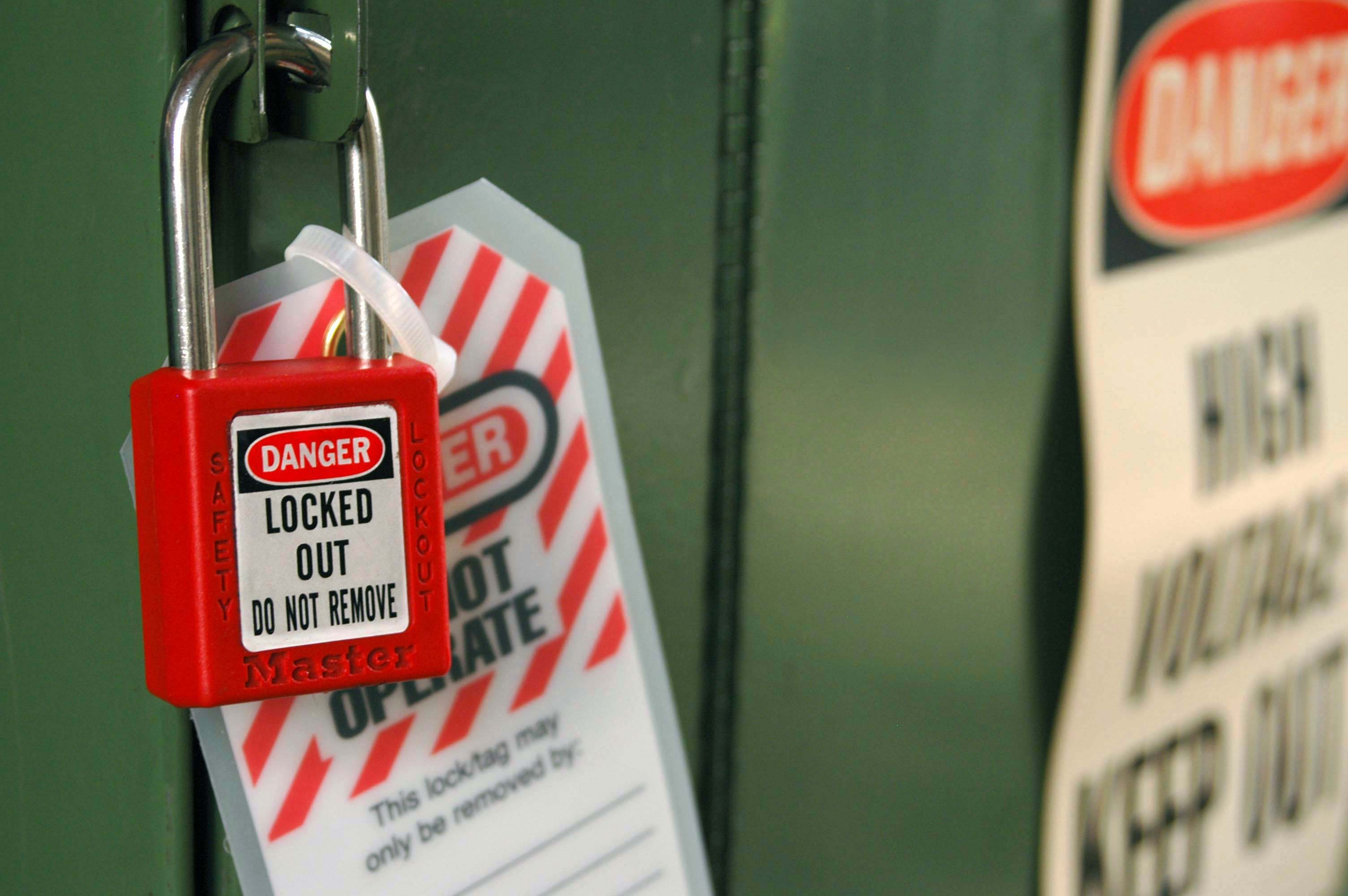
Every year, workers suffer severe injuries—or worse—because machinery was accidentally re-energized during maintenance. These incidents aren’t mysterious accidents. They’re preventable failures in basic safety procedure. At the heart of prevention lies a simple but powerful practice: the lockout tagout safety toolbox talk. It’s not just another meeting. It’s the frontline defense against unexpected startup, the moment where awareness shifts from policy to personal responsibility.
A lockout tagout (LOTO) safety toolbox talk turns compliance into conversation. It’s a focused, informal discussion that reinforces procedures, clarifies roles, and surfaces real risks before work begins. When done right, it transforms a routine checklist into a culture of safety.
Here’s how to make every LOTO toolbox talk count.
Why LOTO Toolbox Talks Matter Beyond Compliance
Compliance with OSHA’s Control of Hazardous Energy standard (29 CFR 1910.147) is non-negotiable. But treating LOTO as a box to check leads to complacency. Toolbox talks bridge the gap between regulation and real-world execution.
Consider this: A maintenance technician begins servicing a conveyor system. The machine appears off, but a coworker resets a breaker remotely, unaware work is underway. The result? Catastrophic injury. This scenario—and variations of it—happen because communication breaks down, not because procedures don’t exist.
A proper LOTO toolbox talk forces team members to: - Confirm all energy sources (electrical, hydraulic, pneumatic, mechanical, chemical) - Identify isolation points - Verify lockout device placement - Assign responsibility for each lock
It’s not about reciting rules. It’s about creating shared understanding. In high-risk environments—manufacturing, utilities, construction—these five to ten-minute discussions prevent life-altering mistakes.
Structure of an Effective LOTO Safety Toolbox Talk
A disorganized talk gets ignored. A structured one sticks. Follow this flow to keep it focused and actionable.
#### 1. Start with a Real Incident Open with a brief story—real or hypothetical—that illustrates the danger of bypassing LOTO. Example:
“Last month at a Midwest packaging plant, a worker lost three fingers when a packaging machine cycled unexpectedly. The lockout procedure was documented, but no toolbox talk occurred. The energy-isolating device had been tagged, but not locked. Someone assumed it was safe.”
This grounds the talk in reality, not theory.
#### 2. Review the Specific Task at Hand Tailor the discussion to the job. Generic talks fail. If the team is repairing a hydraulic press, cover: - Primary and secondary energy sources - Sequence of shutdown - Location of lockout points - Testing for zero energy
Workers should be able to answer: What am I locking out, where, and why?

#### 3. Walk Through the LOTO Procedure Step-by-Step Use visual aids or a physical demo if possible. Break it down: - Notify affected employees - Shut down equipment using normal controls - Isolate all energy sources - Apply lockout devices (each with a personal lock) - Release stored energy (bleed lines, block elevated parts) - Verify isolation (attempt to restart—only after confirming safety)
Emphasize: Verification isn’t optional. It’s the final, critical step.
#### 4. Assign Roles Clearly Who is the authorized employee? Who are the affected employees? Only authorized personnel apply locks and tags. Affected employees must understand the scope and not interfere.
Misunderstanding roles is a top cause of LOTO failures. Clarify in every talk.
#### 5. Allow Open Discussion Invite questions. Ask: What could go wrong here? Have you seen a close call? Workers on the floor often spot risks engineers miss.
One refinery team once realized that vibration from nearby machinery could cause a valve to slowly reopen—something not in the procedure. That insight came from a toolbox talk.
Common Mistakes That Undermine LOTO Talks
Even experienced teams make errors. Recognizing them is half the battle.
| Mistake | Risk | Fix |
|---|---|---|
| Using group locks without individual accountability | One person removes multiple locks; others assume protection is in place | Each authorized employee uses their own lock |
| Tag-only procedures (no lock) | Tags can be ignored or removed | Locks are required unless tag-only is justified and equally effective |
| Skipping verification of zero energy | Assumption ≠ safety | Always test controls after lockout |
| Conducting generic talks | Workers tune out; procedures don’t match the job | Customize every talk to the specific task |
| Not involving all affected personnel | Miscommunication during shift changes | Include day and night crews in handoff talks |
One plant saw a 60% drop in LOTO-related near-misses after banning tag-only practices and mandating personal locks for every worker.
Real-World Use Cases: When LOTO Talks Prevent Disasters
Case 1: Chemical Plant Valve Maintenance A technician prepared to service a high-pressure valve. During the toolbox talk, a colleague pointed out that a backup pump could auto-start if pressure dropped. The team added an extra lock and verified both pumps were isolated. Without that discussion, residual pressure could have caused a rupture.
Case 2: Warehouse Conveyor Repair Workers assumed only electrical energy was involved. The talk revealed tensioned rollers storing mechanical energy. They blocked the rollers before unlocking—preventing a snap-back incident.
Case 3: Shift Handover During Boiler Service Night crew began work, but day crew restarted a boiler, thinking it was idle. A new protocol now requires a joint LOTO toolbox talk during shift changes, with dual verification before re-energizing.
These aren’t edge cases. They’re everyday scenarios where dialogue prevented disaster.

Integrating LOTO Talks Into Daily Workflow
Great talks don’t happen by accident. They’re part of a rhythm.
- Schedule them daily for high-risk tasks, not just weekly.
- Assign rotating facilitators—don’t let it always fall to the supervisor.
- Keep records—not for bureaucracy, but for tracking recurring issues.
- Use visual aids—photos of lock points, diagrams of energy flow.
- Time it right—conduct the talk immediately before work starts, not hours prior.
One automotive plant uses laminated LOTO playbooks at each machine. Before any maintenance, the team gathers, pulls the playbook, and runs through the checklist verbally. It takes less than seven minutes but has eliminated unauthorized re-energizations.
Equipment & Tools That Support LOTO Communication
While the talk is verbal, tools reinforce it. Use these to standardize and strengthen:
- Lockout Stations
- Wall-mounted kits with locks, tags, hasps, and circuit breaker locks. Keeps gear visible and accessible.
- LOTO Procedure Boards
- Display step-by-step instructions for specific machines. Include photos and lock locations.
- Energy Isolation Maps
- Floor plans showing exact lock points for each machine. Critical in complex facilities.
- Verification Checklists
- Pocket-sized forms workers complete during isolation and verification.
- Digital LOTO Systems
- Tablet-based workflows that guide teams through procedures, log participation, and store records. Useful for audits and training gaps.
None replace the human conversation. But they ensure that talk is grounded in accurate, accessible information.
Signs Your LOTO Talks Aren’t Working
Even regular talks can be ineffective. Watch for: - Workers bypassing locks “just for a quick fix” - Tags left on for days (indicating inactive procedures) - No questions during or after the talk - Inconsistent participation - Locks not uniquely assigned
One safety manager started doing random “challenge drills”—asking workers mid-task: Show me your lock. Who applied it? What energy sources are isolated? The results were eye-opening. Re-training followed, and compliance improved within weeks.
Make It Stick: Turning Conversation Into Culture
A toolbox talk isn’t complete when the meeting ends. Follow through matters.
- Audit randomly. Walk through lockout points after a talk. Are locks in place? Are tags legible?
- Recognize compliance. Publicly acknowledge teams that run thorough talks.
- Review near-misses. Share stories—without blame—to reinforce learning.
- Update procedures. If a talk reveals a flaw, fix the process, not just the symptom.
The best LOTO culture doesn’t rely on fear of punishment. It runs on shared responsibility. When every worker feels personally accountable for every lock, you’ve won.
Hold your next LOTO toolbox talk not because OSHA requires it, but because someone’s life depends on it. Prepare it, tailor it, and treat it as mission-critical. In the world of industrial safety, few moments carry more weight.
FAQ
What should you look for in Lockout Tagout Safety Toolbox Talk Essentials? Focus on relevance, practical value, and how well the solution matches real user intent.
Is Lockout Tagout Safety Toolbox Talk Essentials suitable for beginners? That depends on the workflow, but a clear step-by-step approach usually makes it easier to start.
How do you compare options around Lockout Tagout Safety Toolbox Talk Essentials? Compare features, trust signals, limitations, pricing, and ease of implementation.
What mistakes should you avoid? Avoid generic choices, weak validation, and decisions based only on marketing claims.
What is the next best step? Shortlist the most relevant options, validate them quickly, and refine from real-world results.